Medical Nutrition: The Science Of Targeted Nutrition For Health
- 08 Jul 2026

Key highlights or summary
- Medical nutrition is evidence-based and condition-specific that is designed to meet the body's changing nutritional demands during illness, recovery, ageing, or chronic disease.
- The right nutrients, in the right form, actively support recovery and repair.
- Your nutritional needs shift with illness, age, and health status.
- Precision nutrition is becoming essential to modern preventive healthcare.
In today’s world, the importance of nutrition has never been clearer. Yet there is a significant difference between simply “eating healthy” and understanding the science of medical nutrition. While general healthy eating focuses on overall wellness, medical nutrition is designed to support specific physiological needs through targeted nutrients and evidence-based nutritional strategies.
Medical nutrition goes beyond broad dietary advice. It focuses on how the body’s nutritional requirements change during illness, recovery, ageing, stress, or chronic health conditions — and how the right nutrients, in the right form and amount, can help support these demands more effectively.
Consider what happens to the body under physiological stress. A patient recovering from surgery has dramatically elevated protein requirements to rebuild tissue and prevent muscle loss. An older adult with a reduced appetite may be consuming far fewer calories than they need — but simply eating more isn't always practical or possible. A person managing diabetes needs nutritional support that stabilises blood sugar without compromising muscle health or metabolic function. In each case, standard dietary advice falls short. Targeted nutrition fills that gap.
This matters more than ever across Southeast Asia and Africa, where rates of diabetes, metabolic disorders, and diet-related conditions are rising sharply — while nutritional deficiencies, particularly inadequate protein intake, remain widespread among older adults and those recovering from illness. As populations age and healthcare systems adapt, the role of evidence-based nutrition in prevention and recovery is coming into sharp focus.
Nutrients like high-quality protein, essential amino acids, vitamin D, zinc, selenium, and vitamin C aren't just components of a balanced diet — they're active participants in immunity, muscle maintenance, tissue repair, and recovery. The research supporting their targeted use is growing, and so is their place in modern healthcare.
This article explores the science behind medical nutrition: how it works, why it's distinct from general healthy eating, and why precision nutrition is becoming an essential tool in preventive and recovery-focused care.
What is medical nutrition?
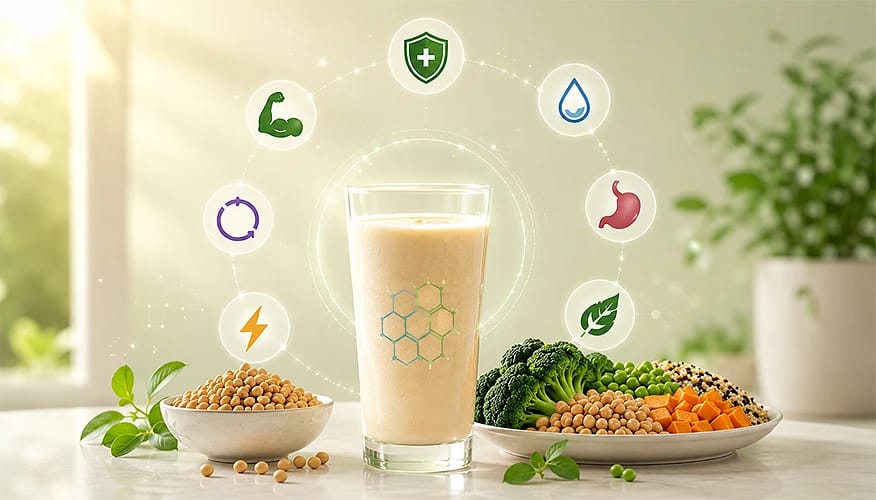
Think of your body like a high-performance vehicle. Most of us get by on standard fuel, and for a while, that’s fine. But when you're asking the engine to do more: maybe recover from a major surgery or manage a long-term illness you need something better. Medical nutrition acts as that premium fuel.
It ensures every ‘part’ of your biological engine works without sputtering. In fact, when looking at clinical nutrition vs healthy eating, the research suggests that personalized protocols can improve health outcomes by 30%. It’s not just food; it’s a biological intervention.
The science of metabolic stability
Once we cross into our late 30s and 40s, our bodies stop processing glucose with the same efficiency they once had. It's a frustrating reality for many. This is where metabolic support nutrition becomes a priority. Most standard meals create a ‘rollercoaster’ effect in our blood — sharp spikes in sugar followed by those exhausting afternoon crashes. This cycle doesn't just make you tired; it creates genuine cellular stress.
Medical nutrition aims to steady that ride. By leaning on low-glycemic index (GI) carbohydrates, we can ‘flatten’ those sugar curves.
For anyone living in regions where metabolic issues are a growing concern — places like the Philippines, Nigeria, or Sri Lanka — this shift is vital. It’s about picking nutrients that release energy slowly, almost like a slow-burning candle. This gives your brain and heart a steady supply of power without the inflammatory ‘rust’ that high sugar spikes leave behind in your arteries.
Why protein purity drives recovery
Between the ages of 35 and 75, many of us deal with a quiet but significant issue: sarcopenia. That’s just a fancy medical term for the gradual loss of muscle mass. It gets worse during times of stress.
If you're recovering from an injury or a hospital stay, your body often enters a ‘catabolic’ state, it literally starts consuming its own muscle tissue to find the energy it needs to heal.
Medical nutrition for muscle loss focuses on stopping this cycle.
While eating more protein helps, standard food often brings along fats or sugars you don't actually want. The benefits of medical nutrition in this context come down to protein purity in medical nutrition.
High-quality sources, like whey isolates, have high bioavailability. This means your body can use those amino acids almost immediately to rebuild tissue. Medical nutrition for recovery gives your body the exact "bricks" needed to stay strong and, most importantly, independent.
Building resilience through immune priming
We often talk about the immune system as if it’s a single thing, but it’s actually the most ‘expensive’ system in your body to operate. It takes a huge amount of energy to keep your defenses up. This is where immune priming nutrients come into play, a concept that’s gaining a lot of traction in supportive care.
Instead of waiting until you feel run down or sick, medical nutrition looks at loading the body with the right fuel before the stress hits.
In places like Kenya or Indonesia, where environmental factors can really test your health, this kind of cellular resilience is a game-changer. It’s not just about popping a vitamin; it's about supporting the gut where 70% of your immune system lives with a balanced mix of nutrients that work in harmony.
Integrating medical nutrition into daily life

Applying these principles doesn’t mean your life has to feel like a clinical experiment. Honestly, it’s really just a change in perspective. For those looking into medical nutrition for seniors, the goal is ‘functional longevity’ — staying active, sharp, and capable for as long as possible.
Medical nutrition for seniors isn’t about restriction — it’s about precision. Every meal becomes an opportunity to support the body’s changing needs: stronger bones, sharper cognition, steadier energy, and a immune system that keeps showing up.
The World Health Organization identifies reduced sodium and added sugar intake as two of the most impactful dietary shifts for healthy ageing — and medical nutrition makes this practical rather than complicated. The nutrient calculations are already done. The therapeutic ratios are already balanced. What’s left is simply choosing to start.
The goal isn’t perfection. It’s what clinicians and gerontologists increasingly call functional longevity — remaining active, cognitively sharp, and physically capable for as many years as possible. Research published in Nutrients (2020) confirms that targeted nutritional intervention in adults over 60 significantly reduces the risk of sarcopenia, cognitive decline, and diet-related chronic disease.
Start small and build deliberately:
- Swap one mid-day snack for a nutrient-dense medical nutrition option — your cells notice the difference within days.
- Add a targeted supplement to your morning routine to address specific deficiencies common in seniors: vitamin D, B12, magnesium, and omega-3s.
- Read labels differently — prioritise protein per serving and micronutrient density over calorie count
Whether you’re a senior taking ownership of your health, an adult child supporting a parent, or a clinician guiding patients toward sustainable dietary habits — the principle is the same: high-density nutrition is not a clinical luxury. It is the most practical tool available for aging well.
Conclusion
At its heart, medical nutrition is where biology meets your daily choices. It’s a way to step away from ‘one-size-fits-all' diets and use a more precise map for your health journey. By focusing on things like protein purity and metabolic balance, you aren't just eating; you're managing your recovery and your future with the best tools avail.
Rate our article
We'd love to know!
- 0
- 0
- 0
- 0
Related articles
See AllFrequently asked questions
No. While it is vital for those recovering from illness, it is also a powerful tool for healthy adults aged 40+ who want to prevent muscle loss and maintain metabolic health.
Most standard protein shakes are designed for general fitness and may contain high levels of sugar. Medical nutrition is formulated with specific nutrient ratios and "low-GI" carbs to meet clinical health needs.
Yes. High-purity protein helps repair tissues faster and reduces the risk of muscle wasting during the sedentary period of recovery.
Low-GI carbohydrates release energy slowly, preventing blood sugar spikes that can cause inflammation and metabolic stress.
Absolutely. It provides the specific amino acids needed to combat sarcopenia, helping adults maintain their strength and mobility.
Many medical nutrition products are specifically designed for diabetic care, using fiber and slow-release carbs to help stabilize blood sugar levels.
When used as part of a balanced lifestyle and under the guidance of a healthcare professional, it is a safe way to ensure your body meets its daily nutrient requirements.
It provides the high-quality protein and micronutrients necessary for the production of immune cells, primarily supporting the gut-immune connection.
Medical nutrition is usually nutrient-dense but calorie-conscious. Because it focuses on lean protein and low sugars, it is often used to maintain a healthy weight.
While many products are available over the counter, it is always best to consult with a doctor or nutritionist to see which formulation is right for your specific needs.
How was the experience with article?
We'd love to know!