How To Maintain A Healthy Weight While Supporting Recovery
- 07 Oct 2026

Key highlights or summary
- Good nutrition plays a vital role in helping your body recover and regain strength.
- Eating a balanced mix of protein, carbohydrates, and fats supports healthy weight control.
- Whey protein helps you feel full for longer and reduces unnecessary hunger.
- REKOVER provides the right protein for muscle support without adding extra calories.
Combining healthy eating with regular physical activity improves overall recovery and wellness. - Regularly monitoring your progress allows you to make small diet adjustments for better long-term results.
Recovering from illness, surgery, or prolonged fatigue can make it harder to maintain a healthy weight. Reduced appetite, lower activity levels, muscle loss, and changes in energy needs can all affect recovery and overall strength.
During this time, nutrition plays an important role in helping the body heal. A balanced intake of protein, carbohydrates, and healthy fats supports tissue repair, immune function, muscle maintenance, and steady energy levels.
Protein is especially important because recovery often increases the body’s protein needs. Without adequate intake, people may lose muscle mass and strength, particularly during periods of reduced movement or poor appetite.
Whey protein may help support recovery because it is easy to digest, rich in essential amino acids, and can help improve satiety without adding excessive calories. Combined with balanced meals and regular nourishment, it may support healthy weight management while helping preserve lean muscle.
In this blog, we explore practical nutrition strategies for maintaining a healthy weight during recovery, the role of protein in healing, and how nutritional support options like REKOVER can help support muscle maintenance without extra calories.
The importance of nutrition during recovery
Any surgery, be it minor or major, can be stressful for your body.
Good nutrition before and after surgery can make a big difference in how well and how quickly you recover.
Every person responds differently, depending on the type of surgery, the duration, and the anesthesia used. After a procedure, the body’s main goal is to heal—repairing tissues, bones, and skin.
To do this, it relies on nutrients from fat, protein, and sugars.
However, several factors can slow down wound healing, such as:
- Obesity: Excess body weight can delay recovery.
- Poor nutrition: Inadequate protein, vitamins, and minerals in diet
- Other health conditions: Diabetes, infections, and smoking can also slow recovery.
Balancing protein, carbohydrates, and fats for weight control
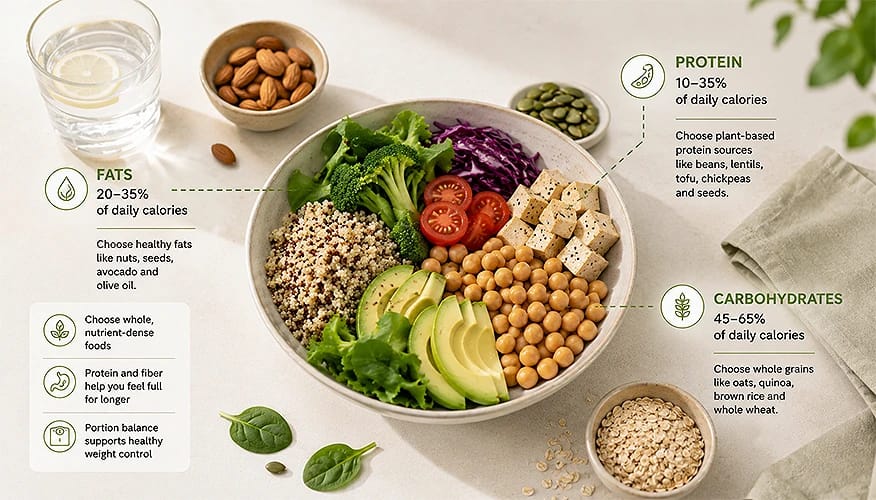
Experts agree that there isn’t just one best diet for weight loss. Plans that cut back on calories—whether by lowering fat, reducing carbs, or adding more protein—can all help if they are balanced and healthy. Here are some simple tips:
Fat (20–35% of daily calories):
Fat is calorie-dense, so portion control is important. Choose healthy fats like nuts, seeds, olive oil, and fish. Try swapping high-fat foods with lighter options when possible.
Protein (10–35% of daily calories):
Protein keeps you fuller for longer and helps protect muscles while losing weight. Good sources include lean meats, skinless chicken, fish, eggs, beans, tofu, and low-fat dairy.
Carbohydrates (45–65% of daily calories):
Not all carbs are the same. Pick whole grains such as brown rice, oats, barley, or whole wheat instead of refined grains like white bread or white rice.
Both protein and fiber help you feel full for longer. Many people worry that changing their diet will leave them hungry, but adding more protein can actually help manage cravings.
Role of whey protein in satiety and appetite control
Protein is the most filling nutrient, and whey protein stands out as especially satisfying compared to carbohydrates (like maltodextrins) or even other types of protein. This powerful appetite-controlling effect may come from the protein itself, special peptides released during digestion, or its unique mix of amino acids.
Whey protein is rich in branched-chain amino acids (BCAAs) such as leucine, isoleucine, and valine, which play a key role in keeping you energized and satisfied.
In one study, whey protein reduced hunger and increased fullness much faster than maltodextrins—effects that appeared within 30 minutes of drinking it and lasted for up to two hours.
- Both drinks helped people feel fuller and less hungry, but whey protein worked better than maltodextrins.
- After drinking whey protein, the body also showed higher levels of natural “fullness hormones” like GLP-1 and PYY-known for their anorexigenic (appetite-suppressing) effects., which signal the brain to reduce appetite.
- Although both drinks raised insulin in a similar way, whey protein caused a smaller rise in blood sugar compared to maltodextrins—making it a smarter choice for supporting satiety and better blood sugar control.
Whey protein triggers key hormonal changes within the gut that suppress appetite and increase satiety, potentially leading to reduced food intake.
How REKOVER supports muscle maintenance without excess calories
When your body is healing—whether from surgery, illness, or chronic health challenges—it needs the right kind of support to rebuild and recover. That's where REKOVER shines.
This specially formulated nutritional supplement combines whey protein, which is rich in essential and branched-chain amino acids, with a powerful mix of vitamins and minerals to promote muscle protein synthesis and protect lean muscle mass—without overloading you with extra calories. It also boosts immunity and cellular health through its vitamins and antioxidants, supporting your body’s recovery in multiple ways.
In essence, REKOVER helps you maintain muscle strength and overall wellness—without unnecessary calorie intake—so you can recover more smoothly and steadily.
Tips for combining nutrition with physical activity

Healthy eating and regular physical activity are two of the most important habits for lifelong health.
Together, they help maintain a healthy weight, keep muscles and bones strong, boost energy and brain function, and lower the risk of long-term conditions like obesity, diabetes, and heart disease at every stage of life.
Here are some simple tips:
- Eat a variety of nutrient-packed foods – Include whole grains, lean proteins, fruits, vegetables, and low-fat or fat-free dairy. Limit foods high in added sugar, salt, and unhealthy fats.
- Choose whole grains for energy – Bread, pasta, oatmeal, and cereals give you energy. Make at least half of your grain's whole, like brown rice or whole-wheat bread.
- Pick lean protein – Skinless chicken, turkey, lean beef or pork, and seafood twice a week help build and repair muscles.
- Add plant-based protein – Beans, peas, tofu, soy products, nuts, and seeds provide variety and important nutrients.
- Eat a rainbow of fruits and veggies – Blueberries, red peppers, kale, and spinach give essential vitamins and minerals. Try fresh, frozen, or even 100% juice options.
- Support a strong body with dairy – Low-fat or fat-free milk, yogurt, cheese, and fortified soy beverages help keep your body healthy and active.
- Balance your meals – Combine protein, carbs, and healthy fats in every meal for steady energy.
- Stay hydrated – Drink water instead of sugary drinks.
- Know your portions – Your age, size, and activity level affect how much you need to eat.
- Set realistic goals – Combine healthy eating with daily physical activity for lasting results.
Avoiding common pitfalls: Overeating and nutrient deficiencies
Did you know over 925 million people worldwide suffer from chronic undernutrition, missing out on vital nutrients every day?
Poor nutrition can happen for many reasons—eating too little food, choosing low-quality or unbalanced meals, or not absorbing nutrients properly. Sometimes the body also needs more nutrients than usual, or it loses them more quickly. Over time, eating less because of reduced appetite, or relying on restrictive or nutrient-poor diets, can raise the risk of developing poor nutritional health.
Monitoring progress and adjusting your diet
Studies show that self-monitoring is a powerful tool for weight loss.
Experts found that people lost more weight when they tracked their eating more often, especially on days when they recorded everything, they ate instead of just a few items. Another study found that how often you record is even more important than how detailed your records are.
People who noted food name, type, time, amount, and fat content lost more weight during weeks when their records were the most complete. Regularly track your weight, energy levels, blood sugar, or other health goals to see if your diet is supporting your body’s needs.
Conclusion
Proper nutrition plays a vital role in supporting recovery, maintaining a healthy weight, and ensuring overall well-being. Balancing protein, carbohydrates, and fats helps provide the energy and nutrients the body needs while preventing excess calorie intake.
Incorporating whey protein, such as through REKOVER, can enhance satiety, reduce hunger, and support muscle maintenance without adding unnecessary calories.
Combining a nutrient-rich diet with regular physical activity further promotes recovery, improves body composition, and boosts energy levels. Simple, consistent steps make a lasting difference in your health.
Rate our article
We'd love to know!
- 0
- 0
- 0
- 0
Related articles
See AllFrequently asked questions
Maintaining a healthy weight during recovery can help reduce strain on the body and support better healing outcomes. Balanced nutrition and gradual recovery habits may also help preserve muscle strength and energy levels during this period.
Recovery nutrition should focus on balanced meals that provide adequate protein, whole grains, healthy fats, vitamins, and minerals. Limiting highly processed foods, excess sugar, and unhealthy fats may also help support healing and overall wellbeing.
No. Carbohydrates provide the body with energy needed for healing and recovery. Choosing whole grains, fruits, vegetables, and fibre-rich carbohydrate sources is generally a better option than refined sugars and heavily processed foods.
Light physical activity, when recommended by a healthcare professional, may support circulation, muscle health, mobility, and weight management during recovery. The type and intensity of exercise should always match the stage of recovery.
Recovery is usually a better time to focus on nutrient quality rather than strict calorie restriction. Eating balanced portions with adequate protein, fibre, and nutrient-dense foods can help support healing while also maintaining a healthy weight.
How was the experience with article?
We'd love to know!